Call Now for Immediate Service!
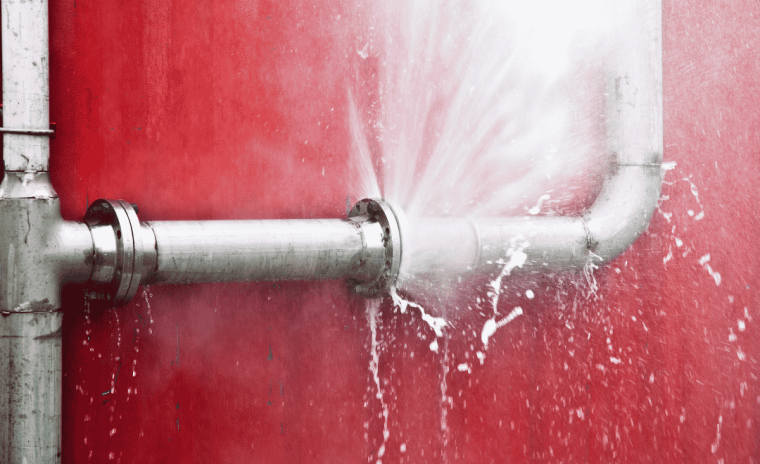
Water leaks can start small and go unnoticed for weeks or even months before becoming major problems. A tiny plumbing leak behind a wall or beneath a floor can lead to water damage, mold growth, higher utility bills, and costly repairs if ignored. The good news is that homeowners can often spot early warning signs before serious damage occurs.
Learning how to detect water leaks is an important part of protecting your home and plumbing system. This guide explains common warning signs, practical inspection techniques, and simple water leak detection methods every homeowner can use to identify problems early.
Why Early Water Leak Detection Matters
Undetected leaks waste water and can quietly damage your home over time. Moisture trapped inside walls, floors, or ceilings may weaken materials and create unhealthy mold conditions.
Knowing how to check for water leaks helps homeowners:
- Prevent structural water damage
- Reduce expensive plumbing repairs
- Lower unusually high water bills
- Protect indoor air quality
- Improve plumbing efficiency
The earlier a leak is discovered, the easier and less expensive it is to fix.
Common Signs of a Water Leak
Before learning how to find a leak in plumbing, it helps to recognize the warning signs that may indicate hidden water issues.
1. Higher-Than-Normal Water Bills
A sudden increase in your monthly water bill without changes in usage often signals a hidden leak.
If your water costs continue rising unexpectedly, it may be time to investigate further.
2. Damp or Discolored Walls and Ceilings
Water stains, peeling paint, bubbling drywall, or discoloration can indicate moisture buildup behind walls or ceilings.
These signs often point to hidden plumbing leaks that need immediate attention.
3. Mold or Musty Odors
Persistent mildew smells or visible mold growth may signal excess moisture caused by leaking pipes.
Mold often develops in bathrooms, kitchens, laundry rooms, or hidden areas where water accumulates unnoticed.
4. Low Water Pressure
Reduced water pressure from sinks or showers may indicate leaks in supply lines or damaged plumbing connections.
If pressure suddenly drops without explanation, a plumbing issue may be affecting system performance.
5. Wet Floors or Soft Spots
Unexpected puddles, warped flooring, or soft spots beneath carpet or tile may suggest water leakage underneath the surface.
These warning signs should never be ignored.
Step 1: Check Your Water Meter
One of the easiest ways to learn how to detect water leaks is by using your home’s water meter.
1. Turn Off All Water Use
Start by shutting off all faucets, appliances, irrigation systems, and fixtures inside and outside the home.
Make sure:
- Washing machines are not running
- Dishwashers are off
- No one is showering or using sinks
2. Monitor the Meter
Locate your home’s water meter and check the reading.
Wait about 30 minutes to an hour without using any water.
If the meter changes despite no water use, there is a strong chance you have a plumbing leak.
This is one of the most reliable water leak detection methods for identifying hidden issues.
Step 2: Inspect Faucets, Toilets, and Fixtures
Household fixtures are common sources of wasted water.
1. Check Faucets
Look for dripping faucets under sinks, around handles, and near water supply lines.
Even slow drips can waste significant amounts of water over time.
2. Test Toilets for Silent Leaks
Toilets often leak silently without obvious signs.
Add a few drops of food coloring to the toilet tank and wait about 15–20 minutes.
If color appears in the bowl without flushing, the toilet likely has a leak.
Understanding how to check for water leaks in toilets can help homeowners catch common problems quickly.
Step 3: Look for Hidden Pipe Leaks
Some plumbing problems remain hidden behind walls, beneath floors, or inside ceilings.
Learning how to find hidden water leaks involves paying attention to subtle warning signs.
Inspect for:
- Warped flooring
- Bubbling paint or wallpaper
- Unusual wall stains
- Damp drywall
- Ceiling discoloration
Pay special attention near kitchens, bathrooms, water heaters, laundry rooms, and under sinks.
These areas often contain plumbing connections vulnerable to leaks.
Step 4: Examine Outdoor Plumbing and Irrigation
Leaks are not always inside the house.
Outdoor plumbing systems can also waste water unnoticed.
Inspect:
- Garden hose connections
- Outdoor faucets
- Irrigation systems
- Sprinkler heads
Wet soil patches or unusually green grass areas may signal underground pipe leaks.
Checking exterior plumbing is an important step in how to detect water leaks around your property.
Step 5: Listen for Unusual Sounds
Believe it or not, your ears can help identify plumbing issues.
If you hear:
- Dripping sounds inside walls
- Running water when fixtures are off
- Hissing near pipes
you may have a hidden leak.
These sounds often point to water escaping somewhere within the plumbing system.
Listening carefully is one of the simplest water leak detection methods homeowners can use.
Step 6: Watch for Changes in Water Pressure
A sudden decrease in water pressure throughout the home may indicate damaged or leaking pipes.
Ask yourself:
- Are showers weaker than usual?
- Do faucets take longer to fill sinks?
- Has water flow changed unexpectedly?
If the answer is yes, it may be time to investigate how to find a leak in plumbing before problems worsen.
How to Know If You Have a Water Leak Behind Walls
Many homeowners wonder how to know if you have a water leak hidden behind walls.
Common clues include:
1. Peeling Paint or Wallpaper
Moisture weakens adhesives and often causes surfaces to bubble or peel.
2. Unexpected Mold Growth
Mold appearing in unusual places may indicate concealed plumbing leaks.
3. Persistent Musty Smells
A damp, earthy odor can signal trapped moisture inside wall cavities.
4. Warm or Cold Spots
Temperature changes in walls or floors sometimes occur near leaking water lines.
Recognizing these signs early can help reduce expensive structural damage.
What to Do After Finding a Water Leak
Once you discover a leak, acting quickly is important.
1. Shut Off the Water
If the leak is significant, turn off your home’s main water supply to prevent additional damage.
2. Document Visible Damage
Take photos of leaks, stains, or damaged materials for repair planning or insurance purposes.
3. Contact a Plumbing Professional
Some leaks are easy to fix, while others require professional repair.
Hidden pipe leaks, slab leaks, and major plumbing problems often need specialized equipment and expertise.
Knowing how to detect water leaks is valuable, but professional diagnosis may still be necessary for larger issues.
Prevent Future Plumbing Leaks
Preventative maintenance can reduce future plumbing problems.
Helpful habits include:
- Checking visible pipes regularly
- Monitoring monthly water bills
- Replacing worn plumbing fixtures
- Scheduling routine plumbing inspections
- Addressing minor leaks quickly
Consistent maintenance helps homeowners avoid larger plumbing emergencies later.
Protect Your Home With Early Water Leak Detection
Understanding how to detect water leaks can help homeowners identify issues before they turn into expensive repairs. From monitoring water bills and inspecting fixtures to learning how to find hidden water leaks, taking a proactive approach can save money and protect your property.
Whether you are learning how to check for water leaks, exploring different water leak detection methods, or trying to understand how to know if you have a water leak, early action is key. Catching plumbing problems early can preserve your home, improve efficiency, and prevent long-term water damage.